Understanding the basic tournament formats
At the heart of every competitive gaming event is the format. The format dictates how players or teams progress through the competition and how many chances they have to stay in the game. Choosing the right format is crucial for organizers because it affects the total duration of the event and the level of fairness for the participants.
Most major esports titles use a hybrid approach. For example, a tournament might start with a round robin group stage to narrow down the field, followed by a high-intensity single or double elimination bracket for the playoffs. This ensures that the most consistent players reach the grand finals.
The difference between leagues and open tournaments
Not all competitions are created equal. Some are structured like traditional sports leagues, while others are open invitations for anyone to join. Understanding this distinction helps you know where to find the highest level of play versus where you can start your own journey.
Professional leagues, such as the League of Legends Championship Series, are closed ecosystems. Teams buy into these leagues, and they play a regular season followed by playoffs. These leagues offer stability, high salaries for players, and predictable schedules for fans and sponsors.
While leagues offer stability for pros, open tournaments are the lifeblood of esports, providing the grassroots opportunity for unknown talent to rise to stardom.
How prize pools and sponsorship work
One of the biggest draws of esports tournaments is the prize pool. In some cases, these pools can reach tens of millions of dollars. These funds typically come from several different sources, including game developers, corporate sponsors, and even community crowdfunding.
It is important to note that prize money is rarely the only way players earn a living. Most professional players also receive salaries from their organizations and earn revenue through streaming and personal brand deals. The tournament prize is often seen as the ultimate prestige boost.
The role of production and broadcasting
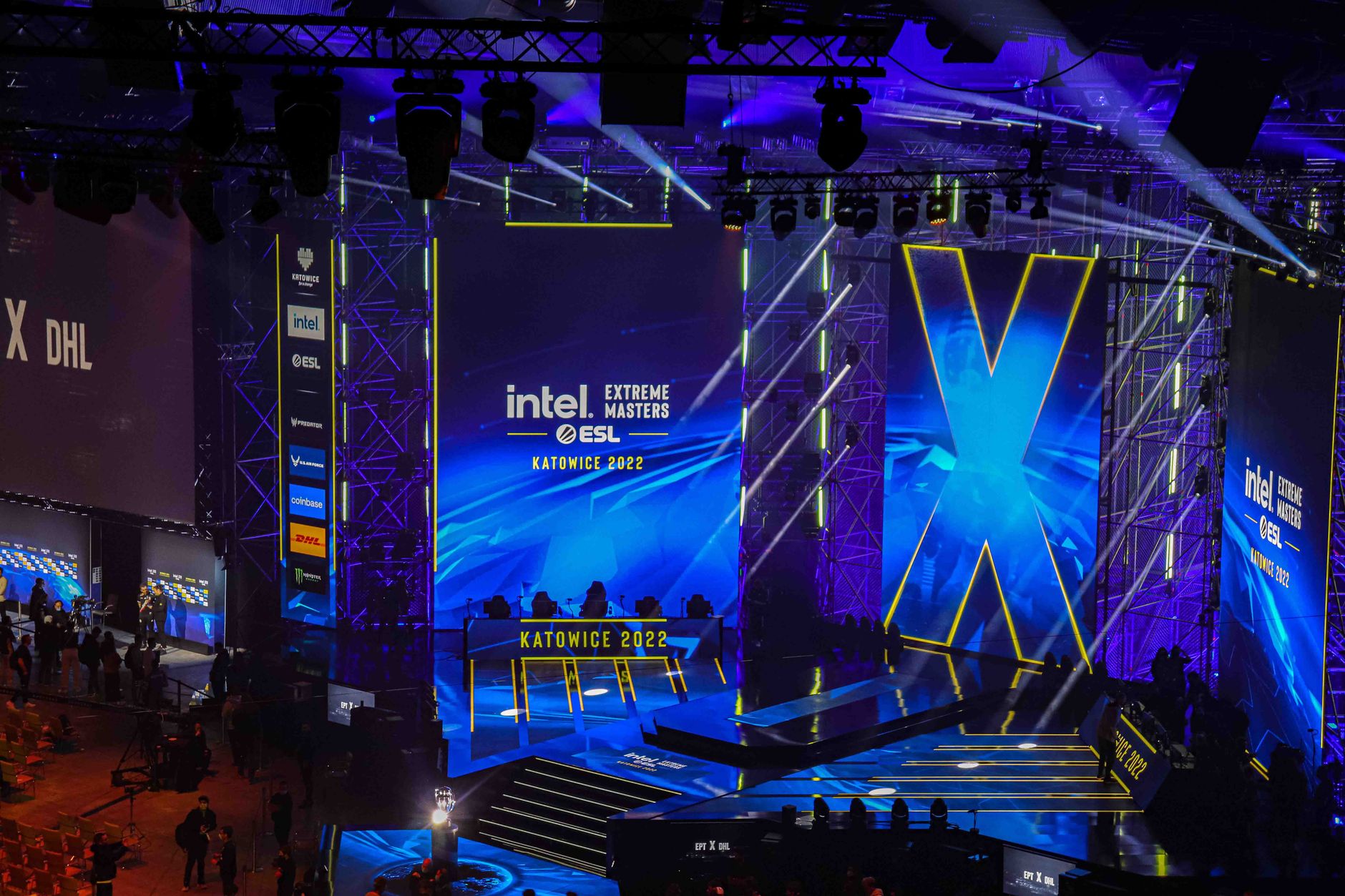
An esports tournament is more than just people playing games; it is a massive media production. To make the competition engaging for millions of viewers on platforms like Twitch or YouTube, organizers employ professional casters, analysts, and observers.
Casters are the play-by-play announcers who bring excitement to the action, while analysts provide deep tactical breakdowns during breaks. Observers act much like camera operators in traditional sports, controlling the in-game camera to ensure the audience never misses a critical moment or a spectacular play.
High-quality production also involves advanced graphics, replay systems, and studio sets. This level of professionalism is what has allowed esports to transition from small community gatherings to massive stadium events that rival traditional sporting spectacles.
How to prepare for competitive play
If you are looking to move from casual gaming to tournament play, you need more than just skill. You need a mindset of discipline and the right tools. Competitive gaming requires intense practice, VOD review (watching your own replays), and a deep understanding of the current meta.
Beyond strategy, your physical setup plays a massive role in your performance. Latency, input lag, and ergonomics can make or break your ability to react in a split second. Investing in the right equipment is a fundamental part of a competitive player's journey.
To ensure you are ready for the big stage, make sure your gear is up to standard. For a deep dive into the best gear for pros, check out our related article, The Ultimate Esports Peripherals Guide for Competitive Gaming at https://dhyey.bond/blog/the-ultimate-esports-peripherals-guide-for-competitive-gaming/. Having the right mouse, keyboard, and headset can give you the edge you need to climb the ranks.
See Also
If you enjoyed this Esports Guide article, check out The Ultimate Esports Peripherals Guide for Competitive Gaming for more useful reading.