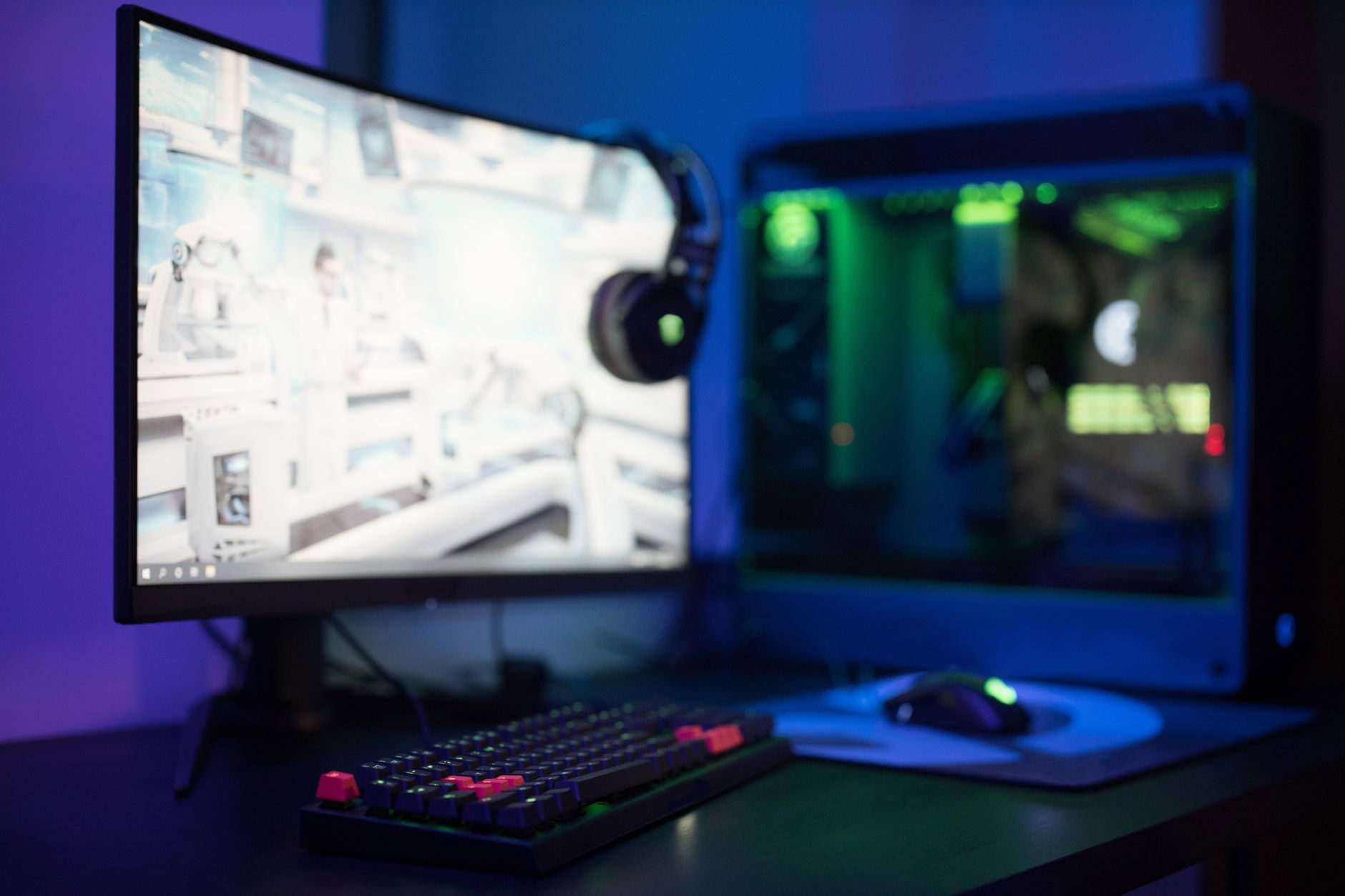
Choosing the right gaming mouse
The mouse is arguably the most critical piece of equipment for any esports athlete, especially in first-person shooters. Your ability to track targets and execute precise flicks depends entirely on the sensor quality and the weight of the device. You want a sensor that offers high precision without jitter, even during rapid movements.
When shopping for a mouse, consider these three main factors:
Mechanical keyboards for speed and accuracy
A standard office keyboard will not cut it when you are trying to execute complex movement combos or rapid key presses. Mechanical keyboards are the gold standard in esports because they provide tactile feedback and consistent actuation points. This means you know exactly when a keypress has been registered by the computer.
A great keyboard is not about having more buttons, but about having the most reliable response time possible.
The type of switch you choose is vital. Linear switches are smooth and quiet, making them excellent for rapid tapping, while tactile switches provide a bump that helps with typing accuracy. Many professional players prefer linear switches for their speed and lack of resistance during intense gaming sessions.
The importance of high quality audio
In competitive gaming, sound is just as important as sight. Hearing a footstep behind you or the direction of a distant gunshot can give you a massive tactical advantage. This is why investing in a high-quality gaming headset is non-negotiable for serious players.
You should look for headsets that offer spatial audio or directional sound capabilities. This allows you to map out the environment purely through your ears. Additionally, a clear microphone is essential for team communication; if your teammates cannot hear your callouts clearly, your coordination will suffer.
Monitors and refresh rates
If you are playing on a standard 60Hz monitor, you are at a significant disadvantage against players using high refresh rate screens. A monitor with a high refresh rate, such as 144Hz, 240Hz, or even 360Hz, provides much smoother motion and reduces motion blur. This makes it easier to track moving targets in fast-paced games.
Response time is another critical metric. Look for monitors with a 1ms response time or lower to prevent ghosting, where moving objects leave a trail behind them. While a high-resolution 4K monitor looks beautiful, most esports professionals prefer 1080p or 1440p to maximize frame rates and maintain competitive fluidity.
Finalizing your professional setup
Once you have gathered your peripherals, the final step is optimization. A great mouse is useless if you are using a small, bumpy mousepad. Invest in a large, high-quality cloth mousepad to ensure consistent tracking. Furthermore, ensure your desk height and chair ergonomics are set to prevent long-term injury.
Remember that gear is only one part of the equation. Even with the most expensive equipment, you still need to practice your mechanics and game sense. For those just starting their journey, we highly recommend checking out our Esports Training Routine for Beginners: A Step-by-Step Guide at https://dhyey.bond/blog/esports-training-routine-for-beginners-a-step-by-step-guide/ to complement your new hardware with proper skill development.
See Also
If you enjoyed this Esports Guide article, check out Esports Training Routine for Beginners: A Step-by-Step Guide for more useful reading.